
Silence of the Sparrow: Jaipur Wakes Up to Save Its Vanishing ‘Chirping Companion’ on World Sparrow Day
Avinash.
 ananya
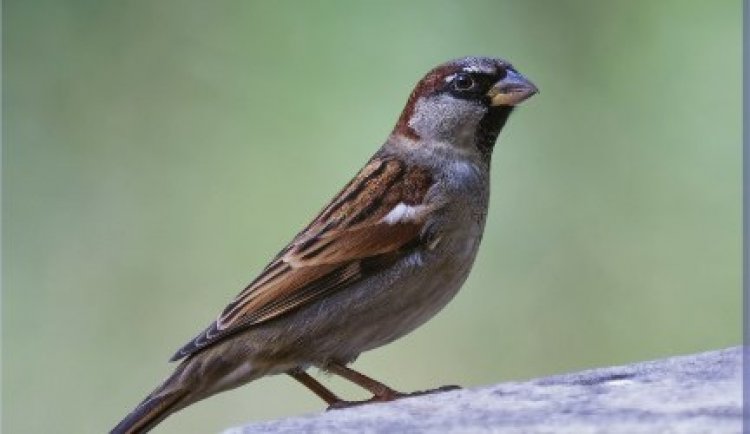
Ananya soch: On the occasion of World Sparrow Day, a growing concern echoes across Jaipur—the fading chirp of the humble sparrow. Once a constant presence in courtyards and rooftops, the House Sparrow is now rarely seen in urban spaces, raising alarms among bird lovers and environmentalists.
From Every Home to Rare Sight: A Disappearing Companion
There was a time when mornings in Jaipur began with the sweet chirping of sparrows. Their nests in ventilators, rooftops, and corners of houses were a common sight. However, with changing lifestyles and modern housing designs, these natural habitats have almost vanished.
Today’s closed, concrete structures offer no space for sparrows to build nests, pushing them out of their traditional homes.
Urbanization: The Biggest Threat to Sparrows
Rapid urban expansion has directly impacted the survival of sparrows. The transformation of mud and wooden houses into cemented buildings has eliminated nesting spaces.
In the “concrete jungle,” sparrows struggle to find not just shelter but also food. The disappearance of open spaces, trees, and traditional homes has made cities increasingly hostile for these tiny birds.
Pesticides Disrupt the Food Chain
Experts highlight that excessive use of chemical pesticides in agriculture is another major reason behind the decline. Sparrows primarily feed on grains and small insects.
When these insects are contaminated, it affects sparrows’ reproductive health. The outer shells of their eggs become weak, reducing the chances of successful breeding and survival of chicks.
Villages No Longer a Safe Haven
While sparrows initially migrated towards rural areas, even villages are no longer ideal habitats. The shift from mud houses to modern constructions has affected their breeding grounds there as well.
As a result, sparrows are now struggling to find safe and suitable environments both in urban and rural settings.
Small Efforts, Big Impact: नागरिकों की भूमिका अहम
Conservationists believe that saving sparrows is still possible with small, collective efforts. Environmental enthusiast Rohit Gangwal suggests installing artificial nests in homes as an effective solution.
People are creatively using shoe boxes, plastic bottles, wooden boxes, and clay pots to create nesting spaces. So far, around 1,000 such nests have already been distributed, showing promising results.
What You Can Do to Save Sparrows (Chart)
| Action Step | Impact |
|---|---|
| Install artificial nests | Provides safe breeding space |
| Keep water bowls | Helps during extreme heat |
| Offer grains regularly | Ensures food availability |
| Avoid pesticides | Protects food chain |
| Plant native trees | Restores natural habitat |
Voices for Conservation Grow Louder
Bird lover Joy Gardner emphasizes that sparrows are not just birds but an essential part of ecological balance. Their disappearance signals deeper environmental issues.
He urges citizens to take responsibility—by placing water and grains in their homes, creating nesting spaces, and encouraging others to do the same.
A Call to Action This Sparrow Day
World Sparrow Day serves as a reminder that even the smallest creatures play a vital role in our ecosystem. The fading chirp of the sparrow is not just a loss of sound but a warning sign of environmental imbalance.
Bringing Back the Chirp
Saving the sparrow is not a complex mission—it begins with simple actions at home. With awareness, compassion, and small initiatives, Jaipur can once again welcome back the cheerful chirping of sparrows.
Because sometimes, restoring nature starts with saving the smallest voice that once filled our homes with life.